Booking a ski transfer is often the invisible thread that holds your mountain holiday together. Get it right, and you glide from airport to chalet without a hitch. Get it wrong, and you’re stranded in Genève with cold toes and heavier bags than expected. Most skiers focus on gear and accommodations - yet forget that the first and last hours of their trip shape the entire experience. This is where seamless logistics make all the difference.
Mastering your booking for a stress-free arrival
Timing isn’t just important - it’s decisive. The best local drivers, the ones who know every hairpin turn between Megève and Chamonix, get booked upmonths in advance, especially during peak weeks around Christmas and February half-term. Waiting until the last minute means settling for whoever’s left, not whoever’s best. Early confirmation locks in reliability, vehicle suitability, and direct contact with someone who actually knows the alpine conditions.
Mid-week travel? That’s the quiet secret of seasoned mountain travellers. Tuesdays and Wednesdays see dramatically fewer arrivals, meaning less congestion on the roads and far more flexibility from transport providers. With lighter demand, you’re more likely to get a direct route, a better vehicle match, and even last-minute adjustments if your flight changes. It’s not just about saving money - though savings of 20-40% are common - it’s about claiming back time and peace of mind.
The timing of your reservation
If you're planning ahead - and many do, especially those preparing for both winter trips and summer treks - thinking about logistics early pays off. Many savvy trekkers often combine their winter journeys with summer preparation, and arranging a Tour du Mont Blanc luggage transfer is a crucial step for a seamless alpine experience.
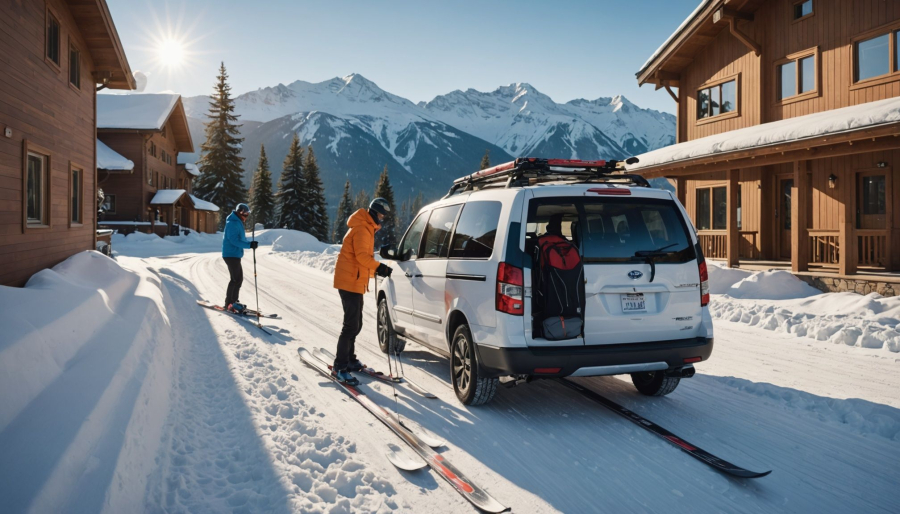
Why mid-week travel changes everything
Weekend corridors, especially Saturdays, turn key routes like the A40 into slow-moving queues. By choosing a mid-week arrival, you avoid the stampede. Local operators can offer more personal attention, and drivers aren’t stretched across back-to-back transfers. This isn’t just comfort - it’s safety. Less rush means more focus on road conditions, weather updates, and your specific needs.
Essential flight details to share
To ensure a smooth pickup, always provide your flight number, scheduled landing time, and a working mobile number. This allows your driver to monitor real-time delays - common in winter due to de-icing or fog at Genève. Some services even track flights automatically, adjusting their departure from the depot so they arrive at arrivals just as you step off the plane. That kind of precision doesn’t happen by accident.
- Book early - especially for Christmas, New Year, or school holidays
- Share your flight number and landing time
- Confirm exact group size (including infants)
- Specify your final drop-off point - chalet, hotel, or private address
- Keep your phone accessible upon landing
Managing equipment and luggage requirements
Ski gear is heavy, awkward, and expensive. A cracked ski tip or a water-damaged boot bag can ruin a holiday before it starts. That’s why how you transport it matters just as much as how you pack it. Padded ski bags aren’t a luxury - they’re essential. Unprotected skis bounce around in transit, especially on winding mountain roads where sudden braking is common. Binding skis together prevents internal damage and makes loading safer. Snowboards? Same rule applies: padded bag, secure fastening.
Where things often go sideways is with luggage volume. A family of four with two ski bags, a snowboard, and oversized suitcases won’t fit in a standard sedan - but many don’t realise that until they’re face-to-face with a too-small boot. Mountain vehicles have hard limits. Luxury vans can handle more, but even they have roof box and luggage hold constraints. Oversized double snowboard bags or ski-touring rucksacks need to be declared at booking, not at pickup.
Children change the equation. French and Swiss law require appropriate child safety seats based on age and weight. A provider with local expertise won’t just assume - they’ll ask, prepare, and install the correct model. A generic shuttle service might not. That’s the difference between compliance and risk.
Securing your ski gear on the road
The combination of steep gradients, sharp turns, and sudden stops means gear must be immobilised. A loose ski bag in the back can become a projectile. Reputable operators use internal nets, load straps, or dedicated roof systems to keep everything stable. Always check whether your chosen service includes proper securing methods - it’s part of professional alpine transport.
Being realistic about suitcase volume
Overestimating what fits is a classic mistake. A “small” family of four with winter clothing, boots, and gear can easily generate the equivalent of six standard suitcases. Be honest with your provider. If you’re bringing bulky items, say so upfront. It avoids awkward conversations at the curb and last-minute surcharges.
Traveling with children and safety seats
Kids under 10 must use an approved child restraint in France. The type depends on their weight and height. For infants (under 13 kg), it’s a rear-facing seat. For toddlers (9-18 kg), a forward-facing model. Older children (15-36 kg) need a booster. A local operator will supply the right seat - but only if you tell them in advance. Don’t leave it to chance.
| Vehicle Type | Ski Bags (max) | Standard Suitcases (max) | Child Seats (max) | Hand Luggage |
|---|---|---|---|---|
| Sedan (e.g. Mercedes E-Class) | 2 | 3 | 1 | 3 small bags |
| Luxury Van (e.g. VW Caravelle) | 6 | 6 | 3 | 6 small bags |
Communication and mountain road etiquette
Meeting your driver should feel seamless. At Genève or Lyon airports, the standard procedure is for your driver to wait in the arrivals hall, just past baggage claim, holding a tablet or sign with your name. They’ll assist with luggage straight away - no waiting. But this only works if they know exactly when you land. That’s why providing a mobile number you’ll have active during the flight is non-negotiable.
Mountain driving is a speciality. When snow hits, local knowledge becomes critical. A driver raised in the Haute-Savoie knows when to take the long route around a closed pass, when to wait out a storm, and which roads black ice hits first. They’re trained in winter tyres, snow chains, and electronic traction systems. Trusting that expertise means you don’t need to stress about delays - they’re already adapting.
Connecting with your professional driver
Keep your phone on and accessible after landing. If your flight is delayed, your driver will usually know via flight tracking - but it helps to send a quick message if plans shift. Some clients choose to tip their driver for excellent service, including careful luggage handling and smooth navigation. While not expected, a gesture of 10-15% is within the usual local range and appreciated.
Adapting to alpine weather conditions
Safety always comes first. If a mountain pass is closed or deemed unsafe, your driver won’t push through - they’ll reroute or advise waiting. This isn’t inefficiency; it’s professionalism. The terrain here doesn’t forgive mistakes. A provider with decades of experience in this region won’t gamble with conditions. That’s the real value of choosing someone who lives here year-round.
Frequently asked questions about ski transfers
What happens if our group has a mix of ski bags and mountain bikes?
Many alpine transport providers can accommodate mixed equipment. For mountain bikes, some use rear racks or custom trailers. Always declare all gear types at booking so the right vehicle and securing methods can be arranged in advance.
Are there new regulations for winter tyres on trans-border transfers?
Yes - France’s Loi Montagne requires all vehicles driving in designated mountain areas between November and March to have either winter tyres or snow chains. Reputable operators comply by default, ensuring safety and legal compliance on both French and Swiss roads.
Can we modify our drop-off point after the booking is confirmed?
Yes, in most cases - but only if you notify the provider as early as possible. Last-minute changes, especially to remote chalets, may require route adjustments or a different vehicle. Early communication ensures a smooth transition.
